Why snowy northern settings work so well in games
Snow, forests and long winter nights appear in many games for good reason. In this opinion piece, we look at what makes northern settings so memorable for players.
Why cold landscapes feel so alive
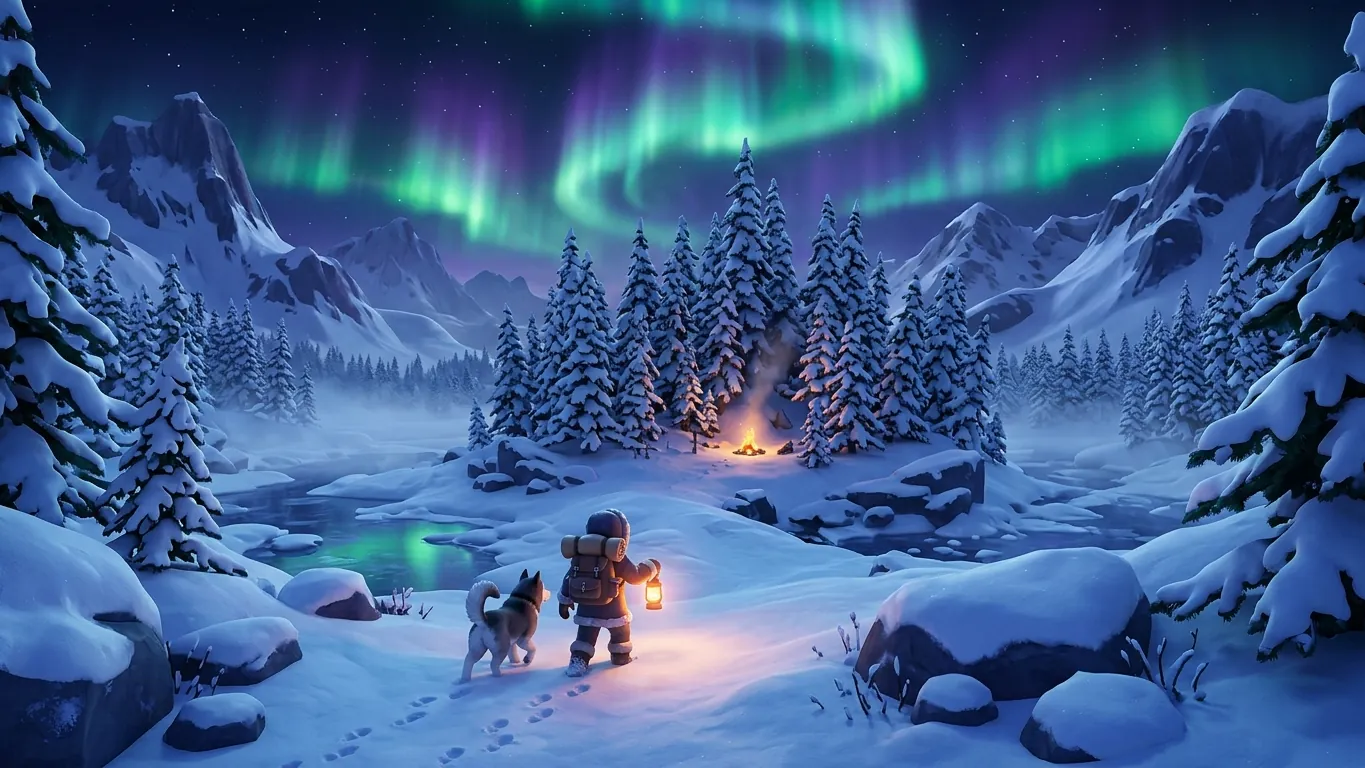
There is something about snow in games that immediately sets a mood. A quiet, white landscape can feel peaceful one moment and dangerous the next. Footprints trail behind your character, wind pushes against you and the world seems to hold its breath. These details make the environment feel like a character of its own.
In our view, northern settings succeed because they connect so directly to feelings players already know. Most people understand the comfort of a warm room on a cold night or the slight unease of being far from shelter as darkness falls. Games that use these settings tap into shared experiences, making their worlds feel familiar even when they are entirely imaginary.
Survival with a purpose
Cold environments are a natural fit for survival games. Temperature, food and shelter become meaningful systems rather than background details. Every decision, from gathering firewood to choosing a path through a storm, carries weight. This creates tension without needing constant combat.
What we appreciate most is how these games turn simple actions into small victories. Lighting a fire or reaching a cabin before nightfall can feel more rewarding than defeating a powerful enemy. The setting supports a slower, more thoughtful style of play, which appeals to players who enjoy planning and careful observation over quick reflexes.
Quiet exploration
Not every northern game is about survival. Many use snowy forests, frozen lakes and mountain trails as places for calm exploration. Without the pressure of enemies or timers, players are free to wander, take in the scenery and discover hidden details.
We think this style of play deserves more recognition. Quiet exploration games offer a different kind of satisfaction, one built on curiosity and atmosphere. A northern setting enhances this experience, since wide open spaces and soft lighting encourage players to slow down. For anyone who finds fast-paced games tiring, these worlds can be a welcome change.
Light and darkness as storytelling
Northern settings give designers powerful tools for storytelling through light. Long nights, brief daylight hours and the glow of an aurora create natural moments of drama. A distant light in a dark forest can guide players without any explicit instructions, and the arrival of dawn can mark the end of a difficult chapter.
This use of light often feels more natural than signs or markers. Players read the environment instinctively, following warmth and brightness toward safety. In our opinion, games that use these cues well create some of the most memorable moments in the medium, because the player discovers the story through the world itself.
Our take for 2026
Given the role that Canadian developers play in the industry, it is perhaps not surprising that northern themes appear in many games, though settings of every kind come from teams across the country. We hope to see more games in 2026 that treat cold landscapes with care, using them for atmosphere, quiet exploration and thoughtful survival rather than simply as a backdrop.
This is, of course, a personal view. Some players find snowy worlds calming, while others prefer warm, colorful settings. If you have never tried a game set in a northern landscape, consider exploring one that matches your preferred pace, whether that is a gentle walk through the woods or a careful journey through a storm.
Related articles
 Smart gaming on a budget
Practical, balanced tips for enjoying games while managing your spending: knowing your habits, using demos, waiting patiently and avoiding impulse buys.
Read more
 Accessibility settings in games, explained
A beginner's guide to common game accessibility settings such as subtitles, control remapping, color options, difficulty assists and comfort features.
Read more
 What makes a top game? Our criteria for 2026
An opinion piece explaining the criteria Totaret uses when calling a game worth attention in 2026: craft, respect for players' time and long-term care.
Read more