Demo events
Digital stores and festivals often host periods when many developers release free demos, letting you try games before deciding.
Independent games are some of the most creative releases each year, but they can be easy to miss. These tips help you discover and evaluate them with confidence.
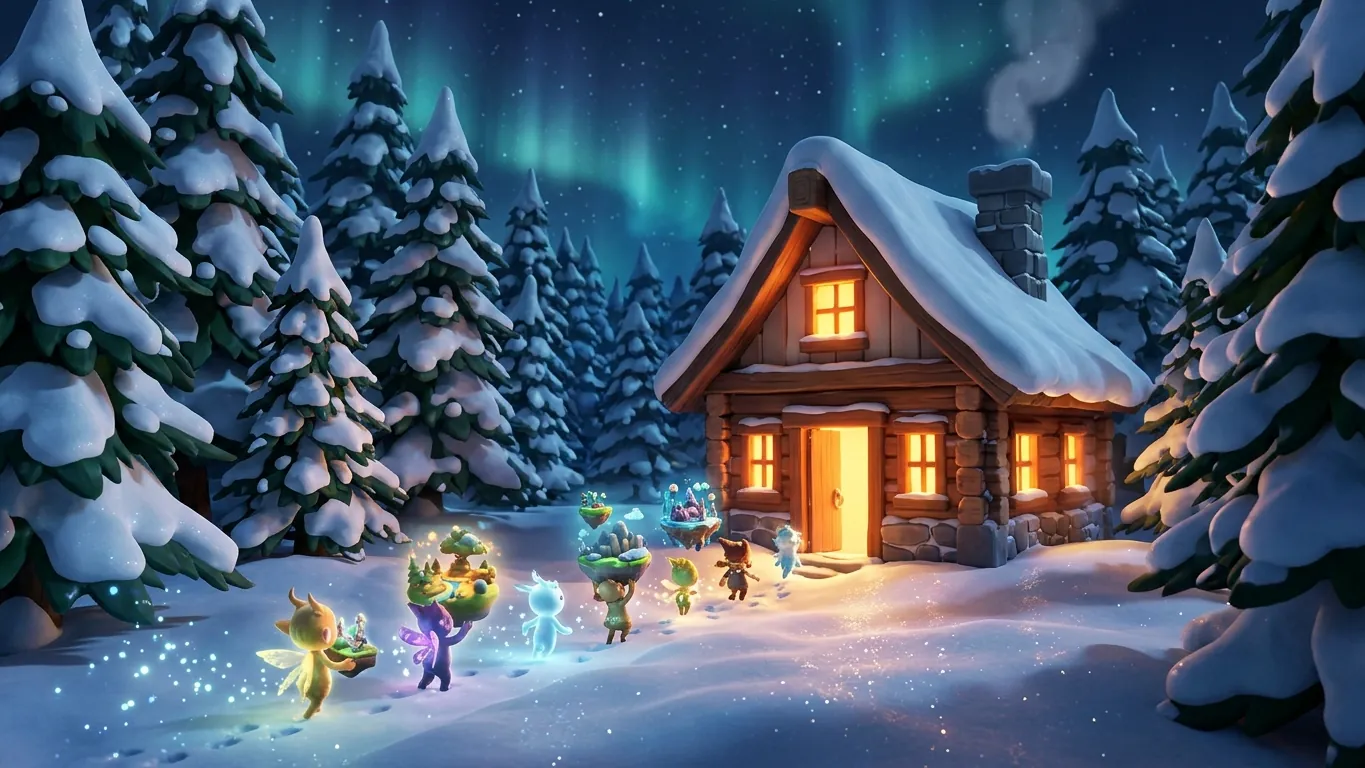
Independent games are usually made by small teams without the resources of a large company behind them. That limitation often leads to creativity. Indie developers experiment with mechanics, art and storytelling in ways that larger projects sometimes cannot.
For players, indie games offer variety. You might find a short, emotional story one evening and an inventive puzzle game the next. Many are designed to be completed in a reasonable amount of time, which suits players with busy schedules. Canada's indie community contributes many such projects, and paying attention to it can make your gaming year more diverse and surprising.
Indie games rarely have large marketing campaigns, so discovery takes a bit of intention.
Digital stores and festivals often host periods when many developers release free demos, letting you try games before deciding.
Filtering by independent games and genres helps you find smaller releases that may not appear on front pages.
Following a developer you like is often the most reliable way to hear about their next project.
Game community events, both in person and online, regularly feature work from independent teams.
A store page is your best tool for understanding an indie game before you play it. Start with the description and ask what the core activity is: exploring, solving puzzles, managing resources or something else. Then watch any gameplay footage rather than relying only on a trailer, since gameplay shows what you will actually be doing.
Check the supported platforms, languages and system requirements, along with any notes about controller support or accessibility. Look at whether the game is finished or still in early access. Early access games can be rewarding, but they may change significantly over time. Reading the developer's update notes gives you a sense of how actively the project is maintained.
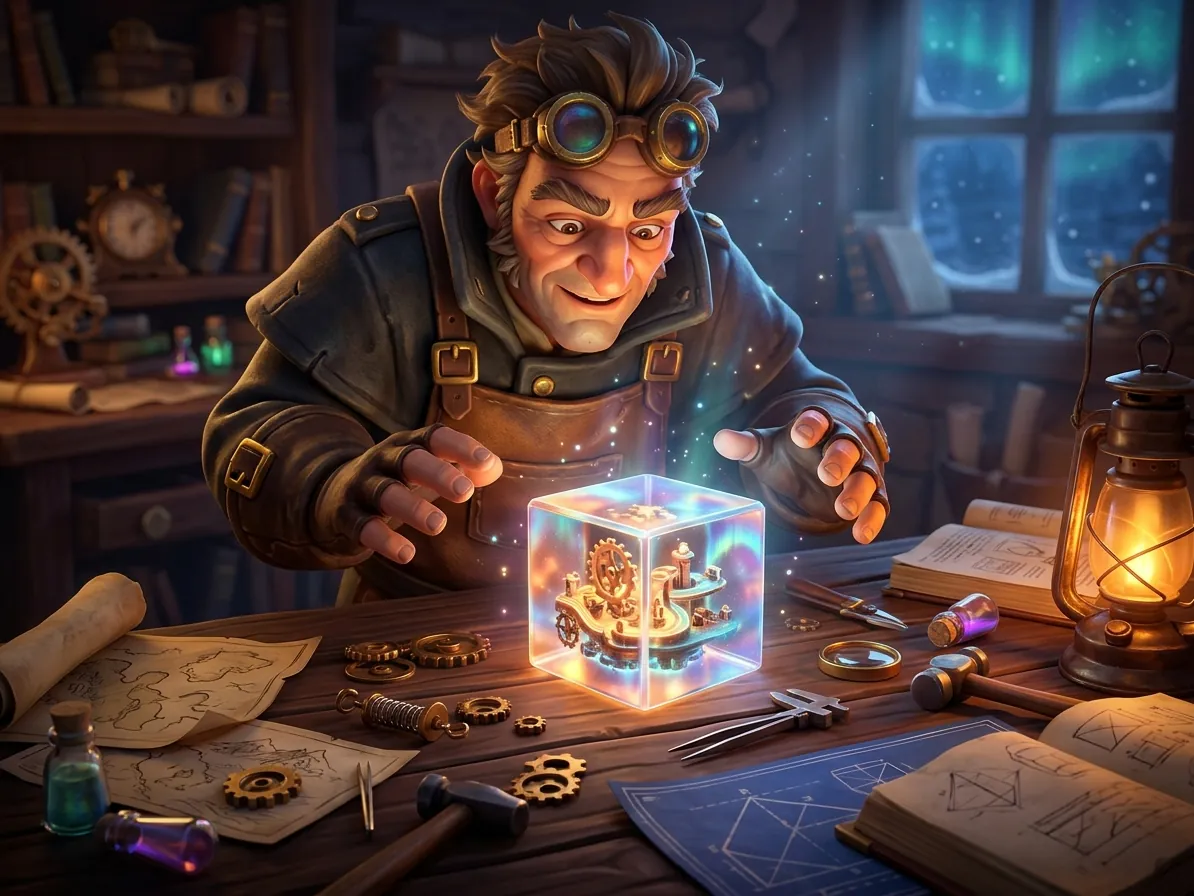
If you enjoy an indie game, there are simple ways to help its developers beyond buying it. Writing a thoughtful review on the store page helps other players decide whether the game suits them. Sharing honest impressions with friends who might enjoy it also makes a difference for small teams.
If you find a bug, reporting it through official channels with clear details is genuinely useful. Constructive feedback is welcome by many developers, especially when it explains what you experienced rather than simply stating whether you liked something. Respectful communication matters, because small teams often read community messages personally.
Indie games vary widely in scope and polish. Some feel as refined as large productions, while others are rougher but full of personality. Neither is better by default; they simply offer different experiences. Adjusting your expectations to the size of the team helps you appreciate what a game does well.
Also remember that not every indie game will suit you, and that is fine. Trying demos, reading descriptions carefully and watching gameplay will help you choose games that match your taste. Over time, you will learn which developers and styles you enjoy most, making discovery easier and more rewarding with each new release.
 How to judge a new game before you play it
Tips for evaluating a new game before playing: watching real gameplay, reading varied opinions, checking platform versions and trusting your own taste.
Read more
 Why snowy northern settings work so well in games
An opinion piece on why cold landscapes, wilderness survival and quiet exploration create such memorable atmospheres in video games of every kind.
Read more
 Smart gaming on a budget
Practical, balanced tips for enjoying games while managing your spending: knowing your habits, using demos, waiting patiently and avoiding impulse buys.
Read more