Game genres often linked to Canadian studios
Canadian developers work across nearly every type of game. This overview introduces the genres where their influence is often noticed and what each offers players.
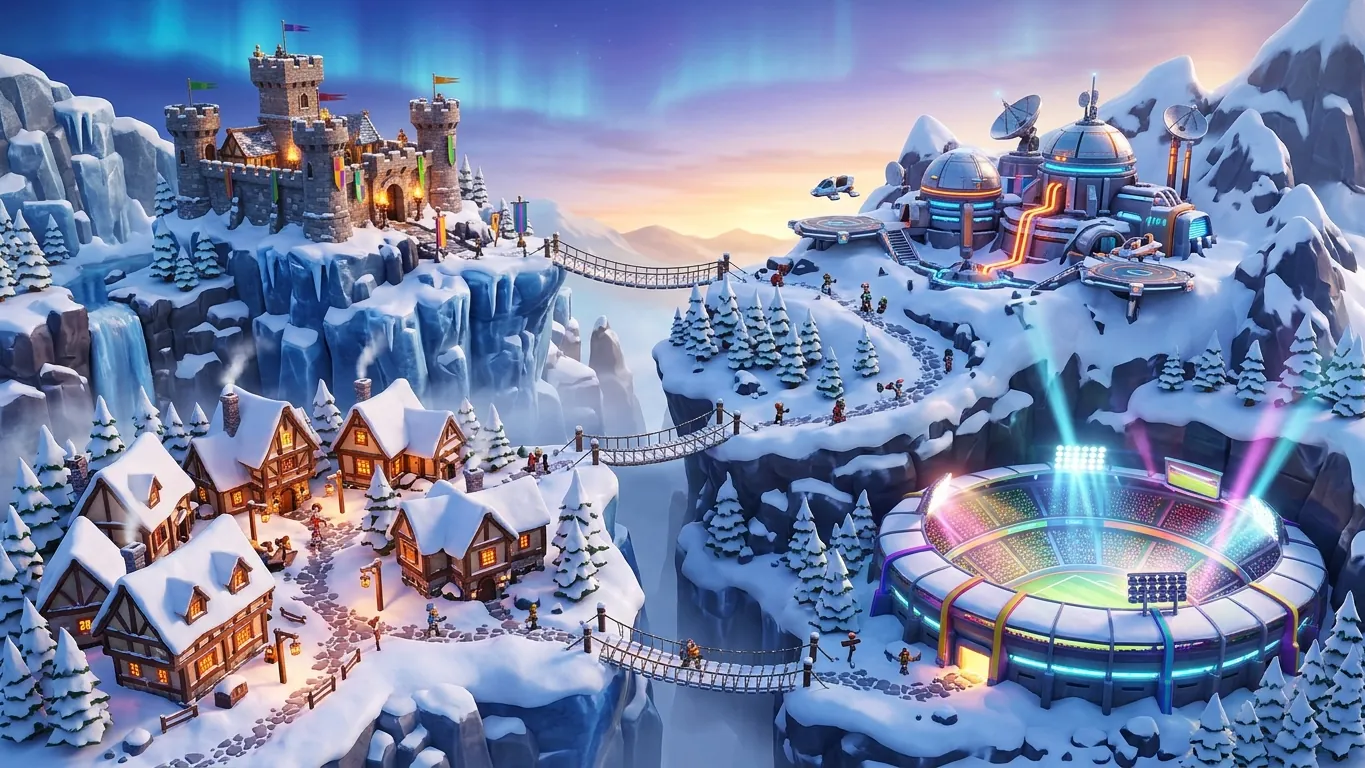
Large open worlds
Open-world games let players explore big environments at their own pace, choosing which missions to take on and which corners of the map to discover. Building these worlds requires large teams of artists, designers, programmers and testers, and Canadian studios have contributed to many such projects over the years.
For players, the appeal lies in freedom and atmosphere. A well-made open world feels lived in, with details that reward curiosity. If you are new to the genre, start with a game that offers clear guidance in its early hours. Open worlds can feel overwhelming at first, but most become comfortable once you learn their rhythm and decide how you want to explore.
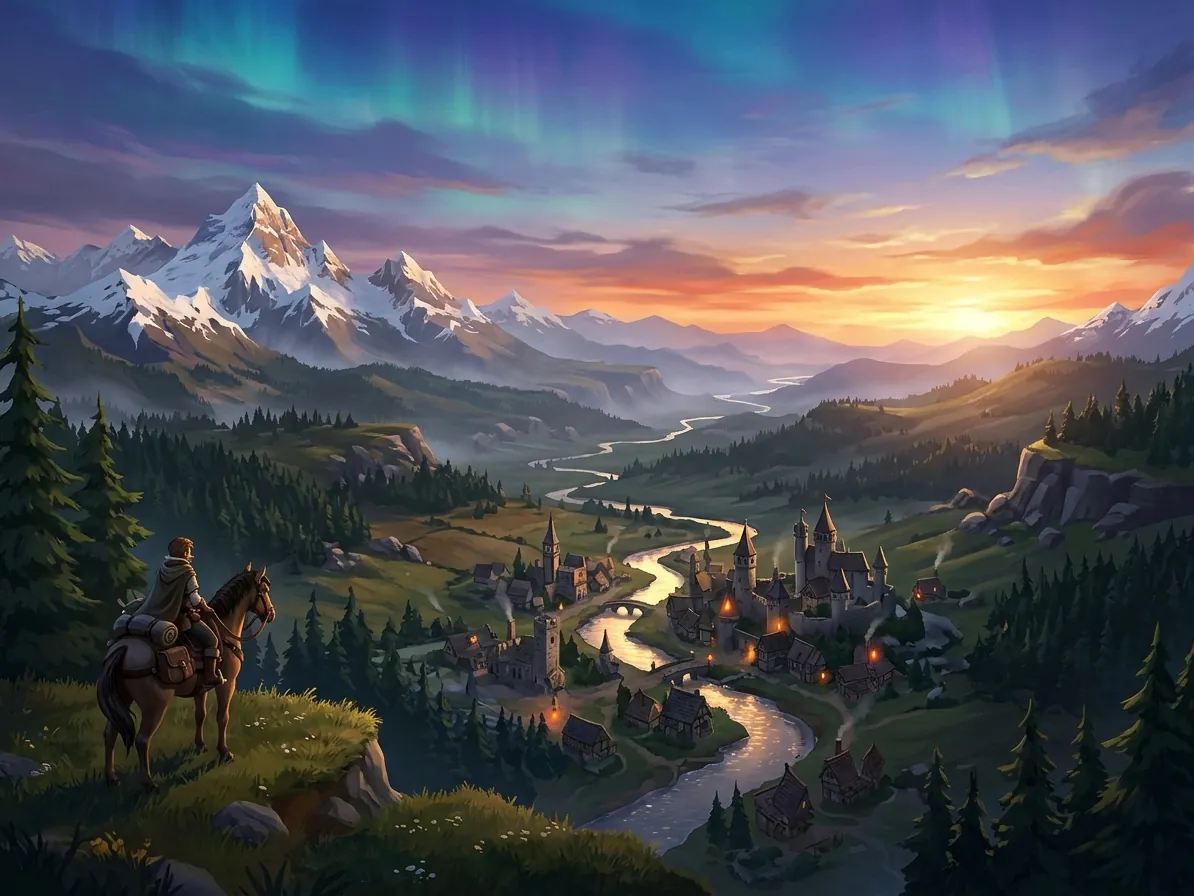
Sports and simulation
Sports games are among the most familiar genres for many players, and teams in Canada have been involved in developing titles in this category. These games aim to capture the feel of real sports through realistic animation, team management and competitive modes.
Simulation games share some of the same goals, recreating activities such as driving, building or managing a business in a playable form. Both genres reward patience and practice. Beginners often benefit from adjustable difficulty settings and training modes, which most modern sports and simulation games include. Take time to learn the controls before jumping into competitive matches against other players.
Story-driven adventures
Narrative games place characters, dialogue and choices at the center of the experience. Some are large productions with branching storylines, while others are short, focused stories created by small independent teams. Canadian developers work at both ends of this range.
These games are a good fit for players who enjoy books, films or television series and want a more personal connection to the story. They usually ask less of your reflexes and more of your attention. If you like this style, look for games that clearly describe their length and whether choices affect the outcome. That information helps you pick a story that fits your available time.
Strategy and tactics
Strategy games ask players to plan ahead, manage resources and make decisions with long-term consequences. Tactical games narrow the focus to individual battles or encounters, often on a grid where every move matters. Teams around the world, including in Canada, create games in this space for both large and niche audiences.
The genre can look complicated, but good strategy games introduce their systems gradually. Tutorials, lower difficulty settings and slower game speeds help newcomers learn without frustration. The satisfaction comes from seeing a plan come together. If you enjoy board games or puzzles, strategy games are often a natural next step.
Experimental indie ideas
Independent developers are free to try unusual mechanics, art styles and themes. Canada's indie community includes small teams and solo creators who make puzzle games, cozy life simulations, atmospheric platformers and many projects that defy simple labels.
These games are often shorter and more focused than large releases, which makes them easy to fit into a busy schedule. They can also surprise you with fresh ideas that later influence bigger games. To explore this side of the scene, browse demo events and storefront categories for independent games, and read the developer's description carefully to understand what kind of experience they are offering.
Related articles
 Finding indie games made by Canadian developers
Practical tips for discovering independent games from Canadian developers, reading store pages carefully and supporting small teams in simple ways.
Read more
 How to judge a new game before you play it
Tips for evaluating a new game before playing: watching real gameplay, reading varied opinions, checking platform versions and trusting your own taste.
Read more
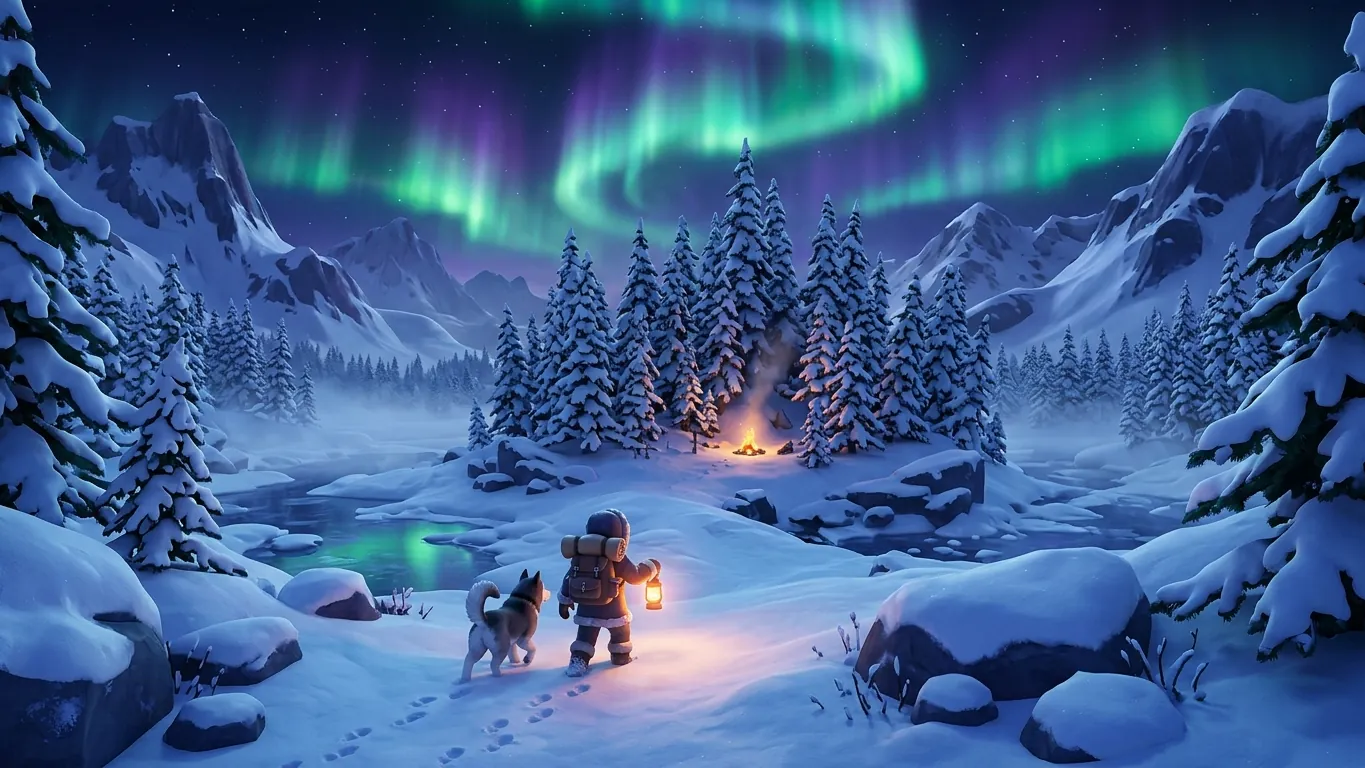 Why snowy northern settings work so well in games
An opinion piece on why cold landscapes, wilderness survival and quiet exploration create such memorable atmospheres in video games of every kind.
Read more