Why Canada became a game development hub
Canada has grown into one of the places where many well-known and lesser-known games are made. This explainer looks at how that happened and why it matters to players.
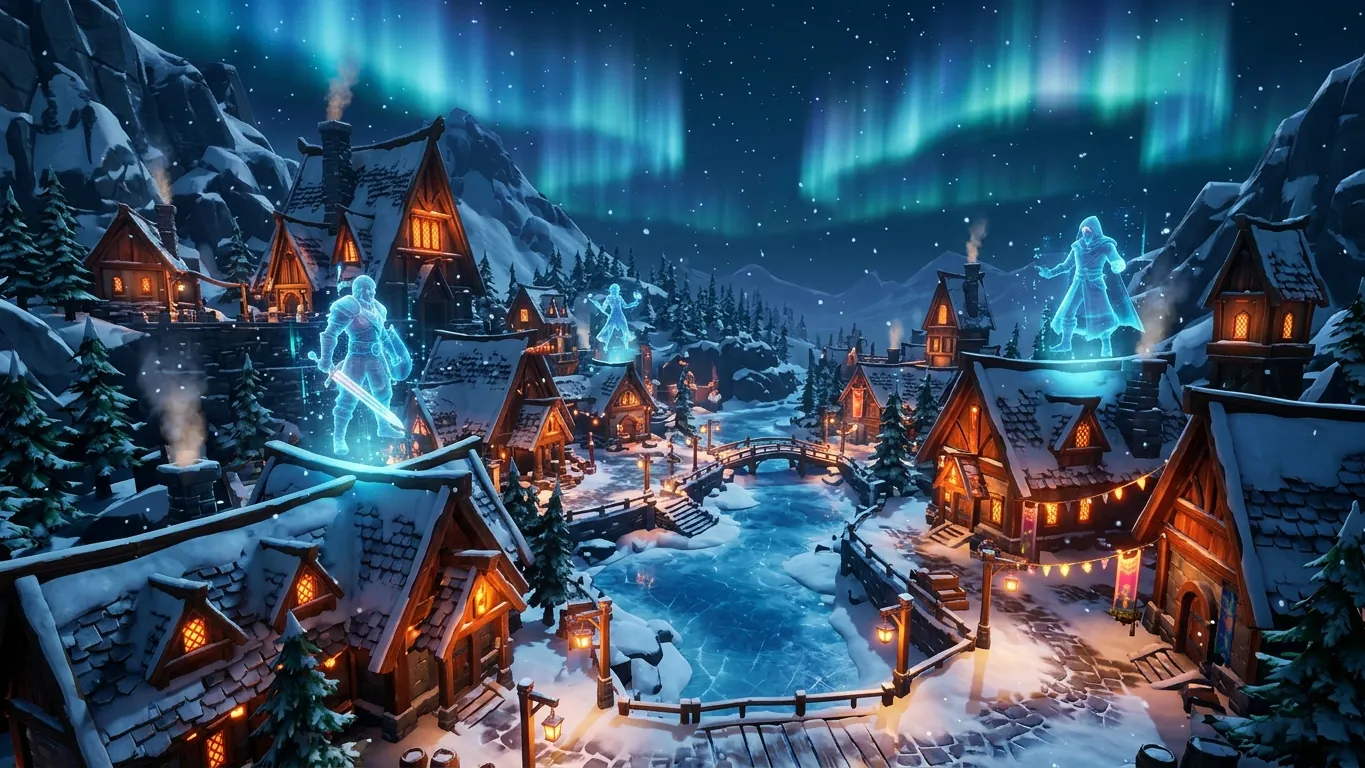
A scene built in several cities
When people talk about game development in Canada, a few cities usually come up first. Montreal, Vancouver and Toronto are often mentioned because they host many studios of different sizes, from large teams working on long-running series to small groups building their first game. Other cities and regions also have active communities, and remote work has made it easier for developers to contribute from almost anywhere in the country.
This spread matters. Instead of one central hub, Canada has several creative centers, each with its own mix of companies, schools and local events. That variety helps explain why games with Canadian involvement appear in so many genres, from sports and action to puzzle and narrative games.
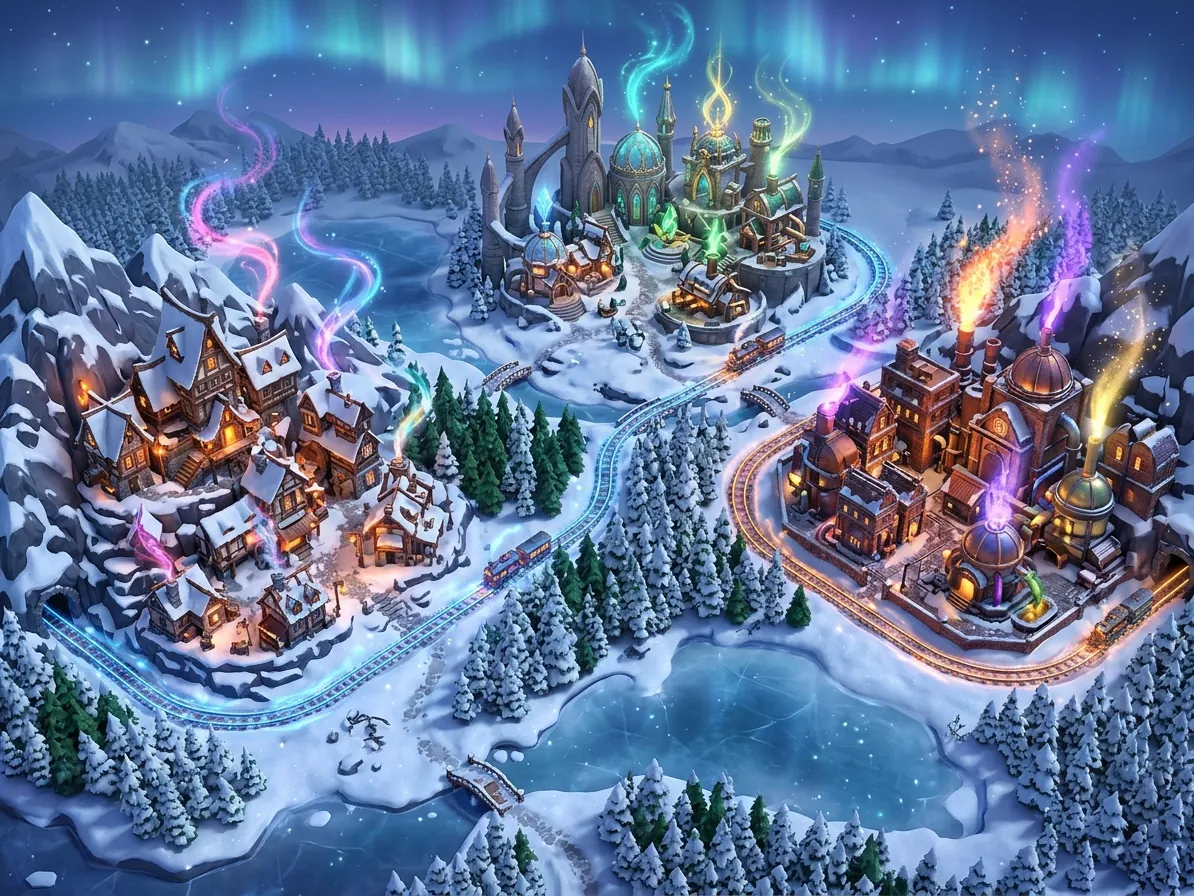
Big teams and small teams side by side
One notable feature of the Canadian scene is how large and small studios coexist. Large teams often work on major releases that take years to build and involve hundreds of people across several locations. Some Canadian teams lead entire projects, while others contribute specific parts such as art, animation, programming or testing for games that are released by companies based elsewhere.
At the same time, independent developers create smaller, more personal projects. These games are often shaped by the vision of a few people and can take creative risks that larger productions avoid. Many developers move between these worlds over their careers, bringing experience from big projects into small ones and vice versa.
Education, talent and support programs
Several factors are commonly cited when people explain the growth of the industry in Canada. Colleges and universities offer programs in game design, computer science, animation and related fields, which helps create a steady flow of new developers. Experienced professionals from other countries have also moved to Canadian cities to work on games.
In addition, some provinces have offered programs designed to support digital media and interactive entertainment. The details of these programs vary by province and change over time, so we will not try to describe them here. The general point is that a combination of education, talent and public interest in the creative sector has helped the scene develop over the years.
What this means for players
For players, the main takeaway is simple: you have probably already enjoyed games that Canadian developers worked on. Because so many projects involve teams in Canada, the country's influence shows up across genres and platforms, often without being obvious on the box or store page.
Knowing this can make your gaming more interesting. If you enjoy a particular game, learning where it was made and who contributed to it can lead you to other projects by the same people. It can also help you notice patterns, such as a team's preference for large open worlds, careful character writing or polished multiplayer systems.
How to tell if a game was made in Canada
There is no single label that marks a game as Canadian, but a few habits help. The credits at the end of a game usually list every studio involved and often their locations. Official websites of developers typically mention where their teams are based. Store pages list the developer and publisher, which gives you names to look up.
Keep in mind that modern games are often collaborative, with several studios in different countries contributing. On Totaret, when we describe a game as shaped by Canada, we mean that teams in Canada played a meaningful role in creating it. For precise details, the official credits remain the most reliable source.
Related articles
 How to build a calm game watchlist for 2026
A practical guide to following upcoming games in 2026 without hype: choosing sources, tracking announcements and keeping your watchlist manageable.
Read more
 Game genres often linked to Canadian studios
A beginner-friendly overview of game genres Canadian teams often work in, from open worlds and sports to story adventures, strategy and indie experiments.
Read more
 Finding indie games made by Canadian developers
Practical tips for discovering independent games from Canadian developers, reading store pages carefully and supporting small teams in simple ways.
Read more